No cable, no battery — and a starting temperature that decides everything
The best stove fans for 2026
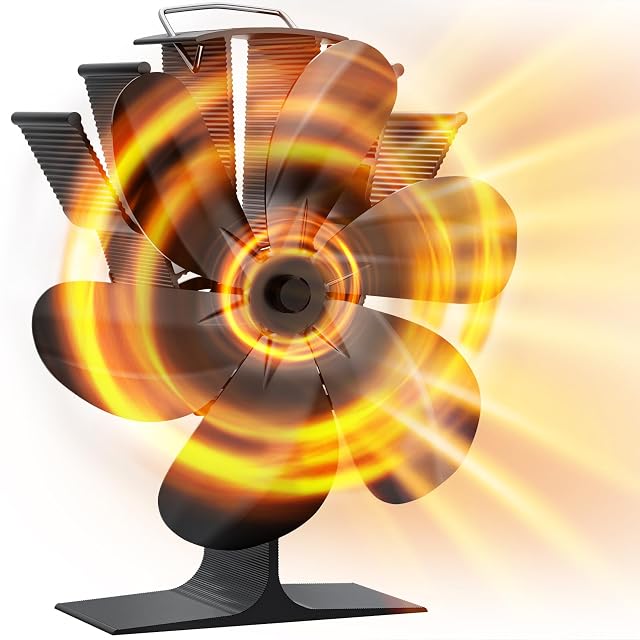
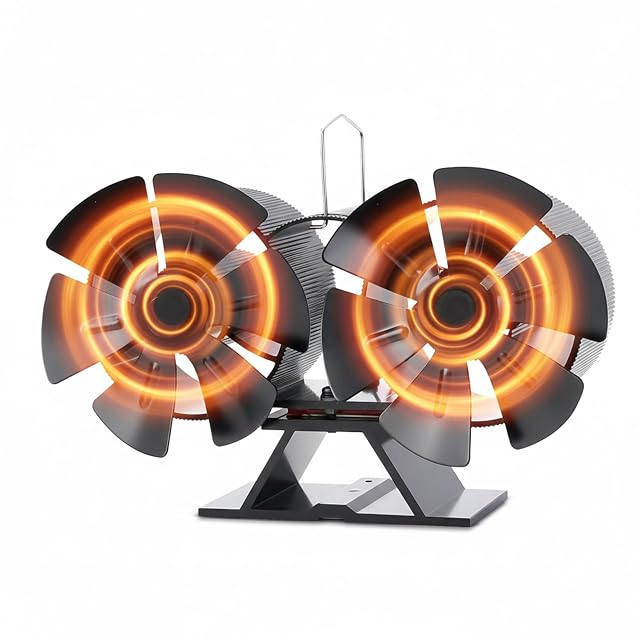
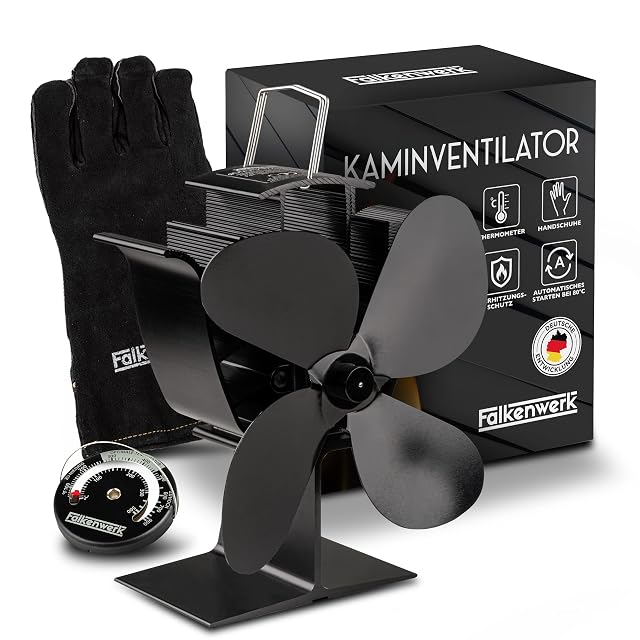
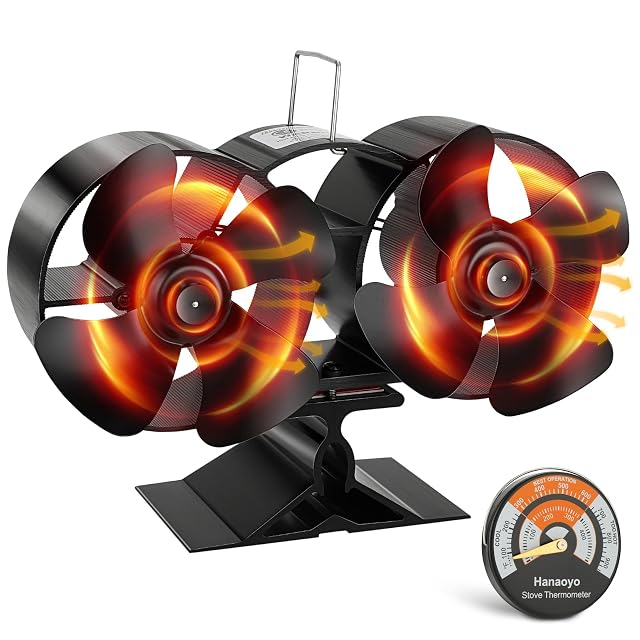
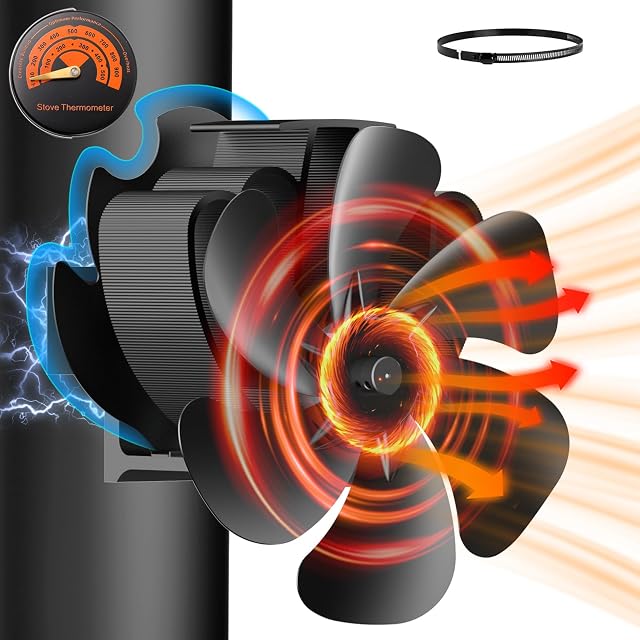
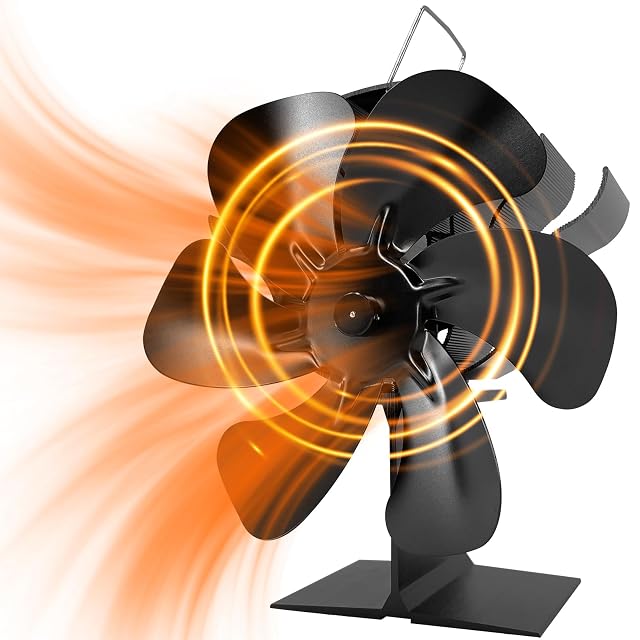
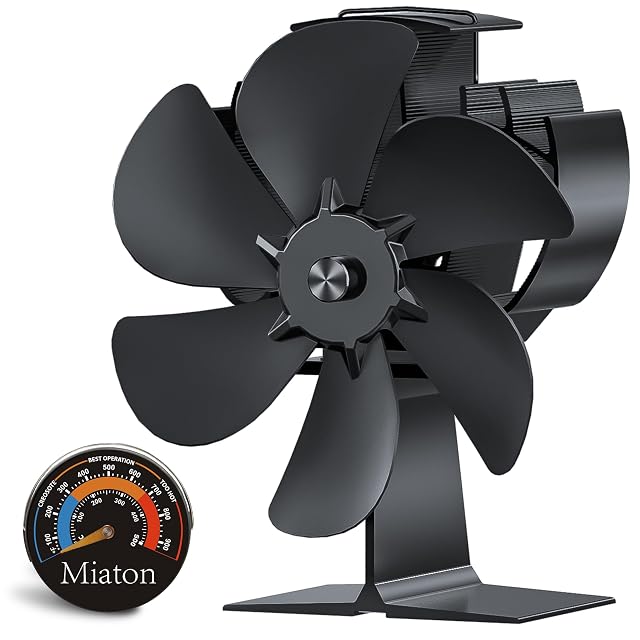
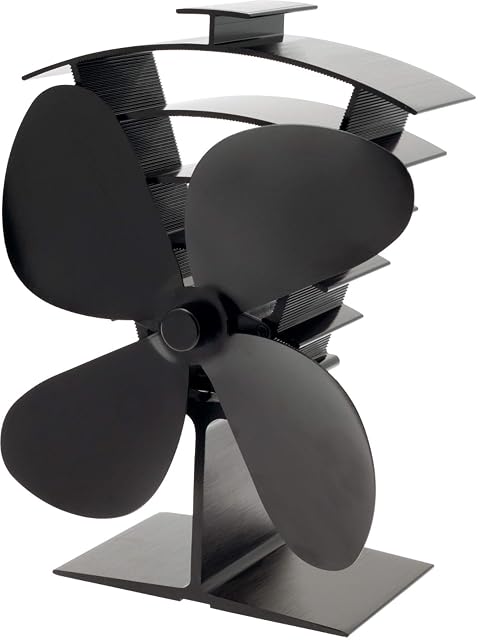
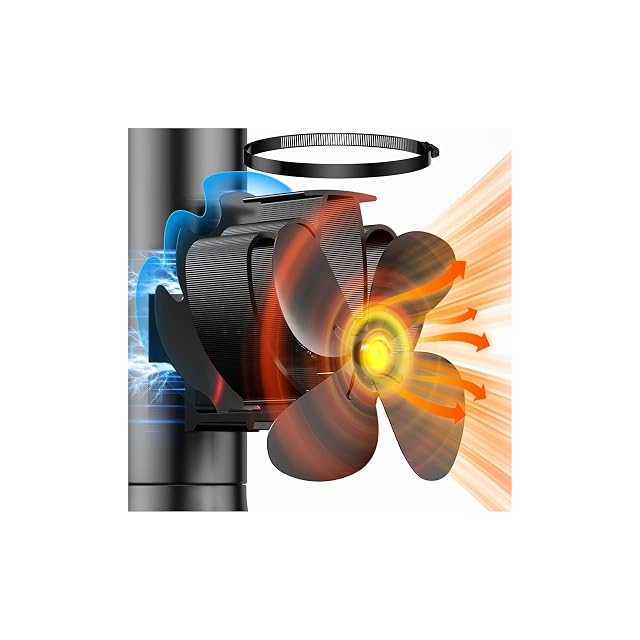
A stove fan sits on the stove top and runs on the heat beneath it: a thermoelectric module turns the difference between the hot base and the cooler head into the few volts that spin the blades. No cable, no battery, nothing to switch on. Four figures decide between them and three are published. The starting temperature is the first and the most important: a fan that begins turning at 50 °C is working twenty minutes after lighting, one that needs 85 °C only joins in once the stove is fully up. The airflow in cubic metres per hour is published by most makers and is the figure most worth distrusting on its own, because it is quoted at the fan's best operating point rather than at the temperature a stove actually holds. The maximum surface temperature is the safety figure and the one that ends fans early — a module cooked above its rating fails silently, and stoves run hotter at the flue collar than in the middle of the top plate. Then the footprint and height, which sounds trivial until the fan has to stand clear of a rear flue spigot. We compare blades, airflow, power, start temperature, optimal range, maximum temperature, noise, overheat protection, material, dimensions and mounting.