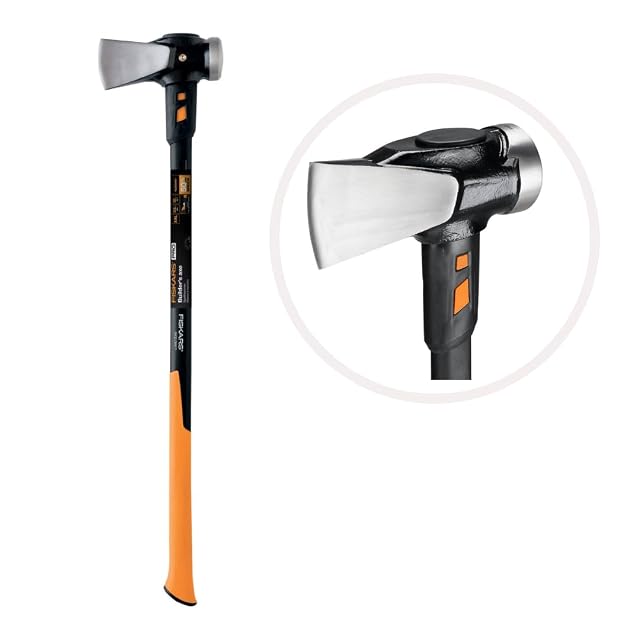
Head weight and handle length do the work, not sharpness
The best splitting axes for 2026
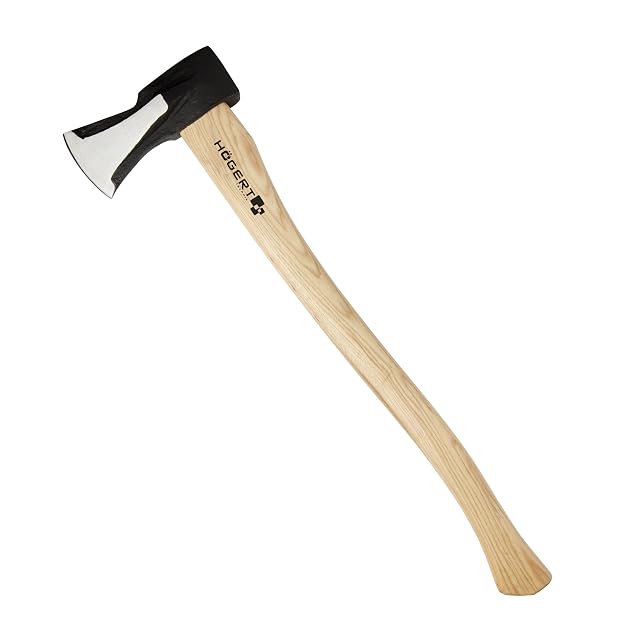
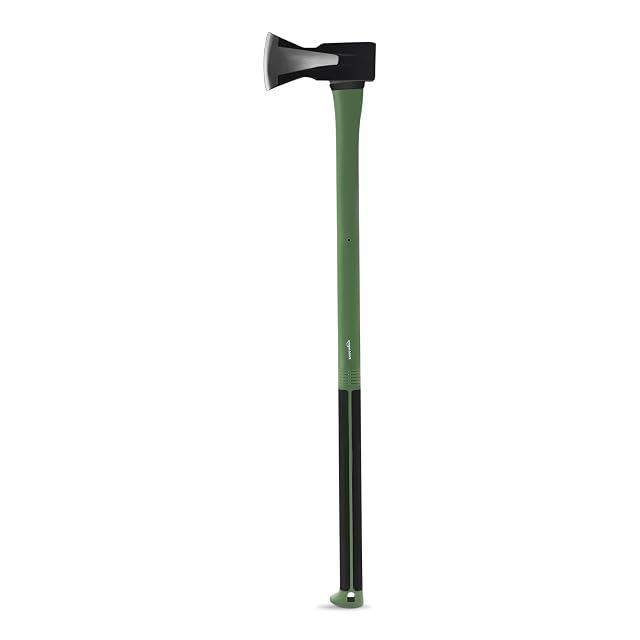
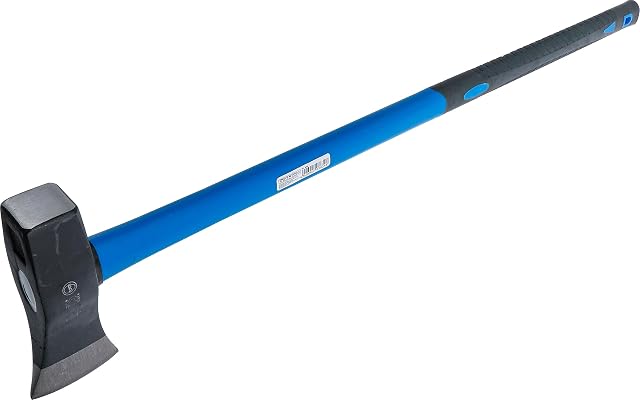
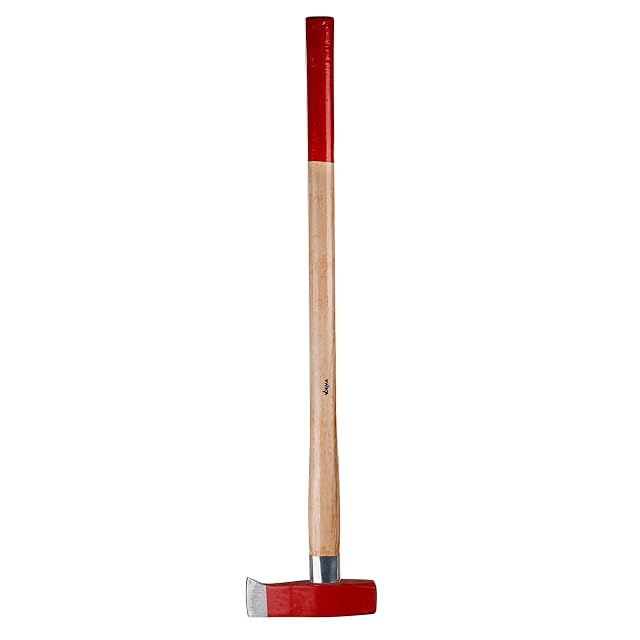
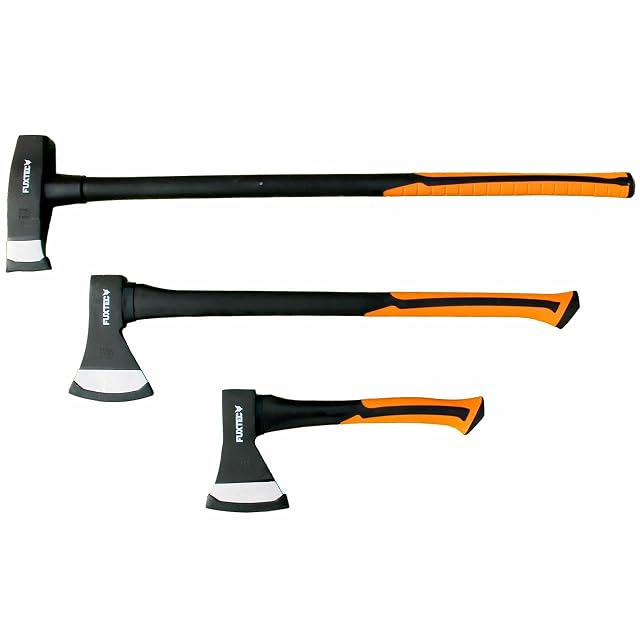
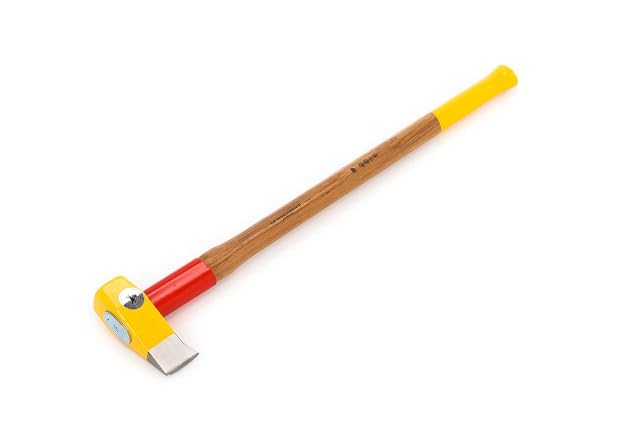
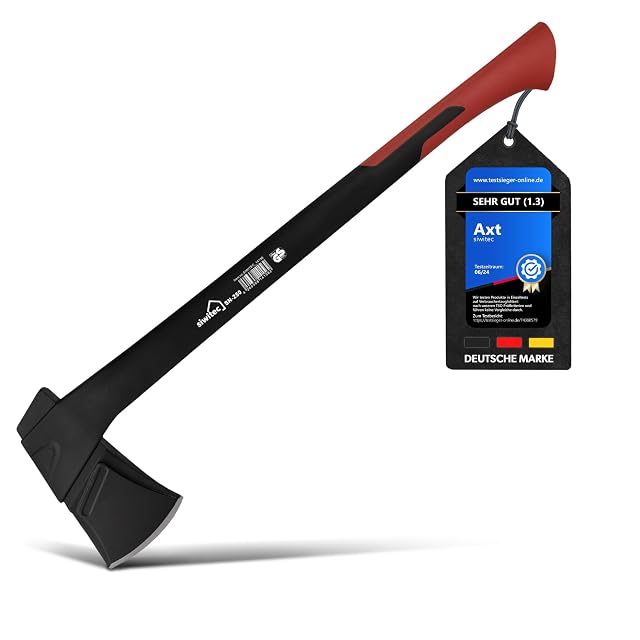
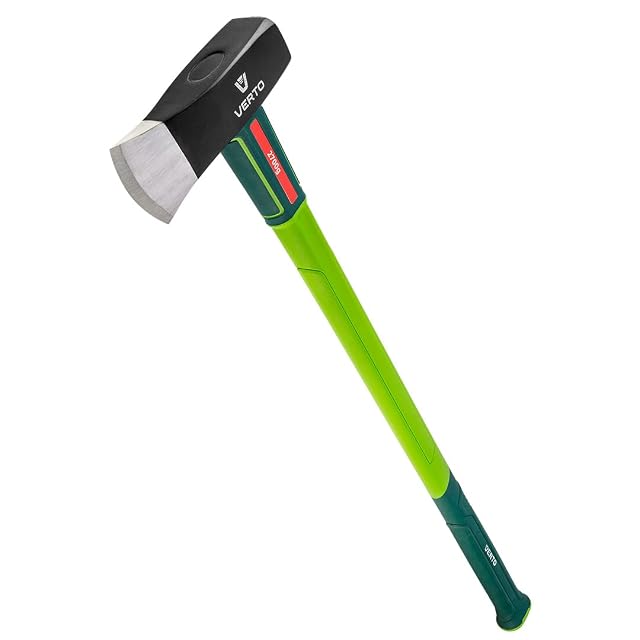
A splitting axe is not a sharp tool, and reading this shelf begins with that. A felling axe cuts across the grain and wants an edge; a splitting axe wedges along the grain and wants mass and geometry. The two figures that decide are the head weight and the total length, and they work together: a 1,6 kg head on a 60 cm handle is a one-handed tool for kindling and small rounds, a 3 kg head on a 90 cm handle is a two-handed maul for anything that resists. Between them sits the size most households actually need, and buying above it is the common mistake — a maul that is too heavy is swung slower and lands worse. The blade geometry is the part makers describe in adjectives and the pages here reduce to what is published: the included angle and whether the cheeks flare abruptly, which is what converts downward motion into sideways separation. The handle splits the shelf: hickory absorbs shock and can be replaced, composite handles survive an overstrike that would break wood, and the fibreglass-cored designs in the middle claim both. Then the guard and sheath, which decides whether the tool can be carried and stored safely. We compare head weight, total weight, overall length, head material, steel hardness, head fixing, handle and sheath.